

](https://voltcrave-battery.com/wp-content/uploads/2026/06/What-is-BESS-A-Comprehensive-Overview-of-Battery-Energy-Storage-Systems.jpg)
Energy prices are volatile and the power grid is becoming less reliable. These fluctuations threaten your business operations and increase your overhead costs without warning.
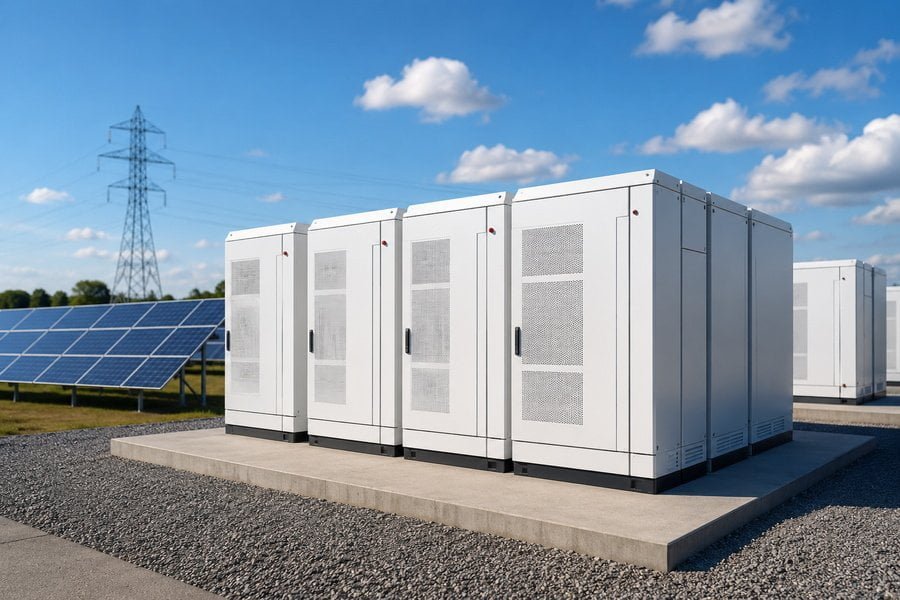
A Battery Energy Storage System (BESS) is a technology that stores electricity for later use. It uses rechargeable batteries to capture energy from the grid or renewable sources like solar. The system then releases this stored power when demand is high or during blackouts.
I have worked in the energy sector for over a decade and I have seen how much confusion exists around this technology. If you want to understand how BESS can protect your project, you should read this entire guide.
What is the overview of BESS?
Renewable energy sources like solar and wind are not always available when you need them. This gap between production and demand creates instability and forces you to rely on expensive peak power.
The overview of a BESS includes four main parts: the battery modules, the Battery Management System (BMS), the Power Conversion System (PCS), and the Energy Management System (EMS). Together, they capture, store, and distribute electricity to ensure a stable and cost-effective power supply for buildings or the grid.
I often explain to my clients that a BESS is like a bank account for electricity. You deposit energy when it is cheap or abundant and withdraw it when you actually need it. This process is called "load shifting." It is the most effective way to lower energy bills in commercial and industrial settings.
The Functional Architecture of a BESS
The hardware starts with the battery cells. These cells are organized into modules and then into racks. The Battery Management System (BMS) is the critical software layer that monitors every cell. It checks voltage, temperature, and current to make sure the system stays safe. Without a good BMS, the batteries could overheat or fail early.
The Power Conversion System (PCS) or inverter is the bridge between the batteries and your facility. Batteries store power as DC (Direct Current), but your lights and machines use AC (Alternating Current). The PCS handles this conversion in both directions. Finally, the Energy Management System (EMS) acts as the brain. It decides when to charge the battery based on electricity prices and your usage patterns.
How Different Scales Work Together
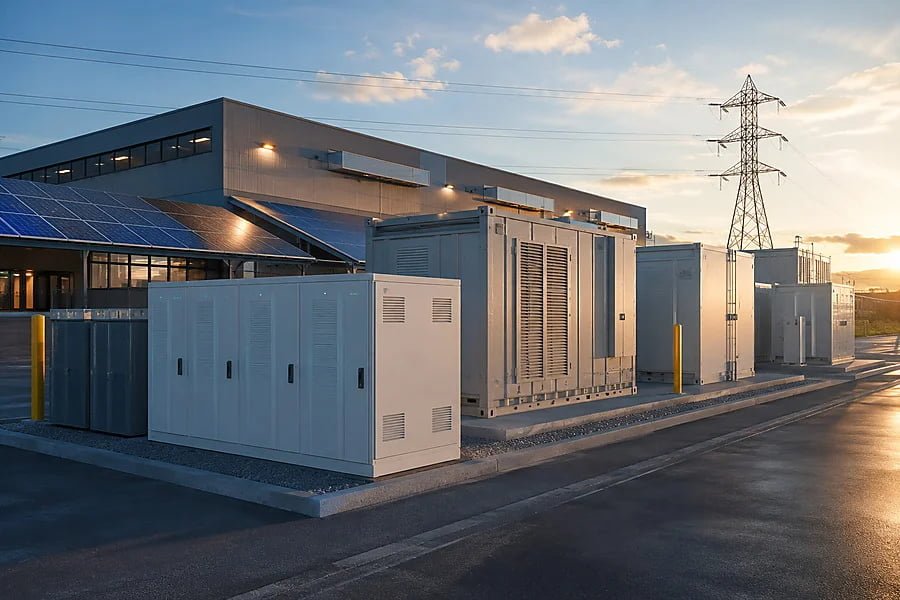
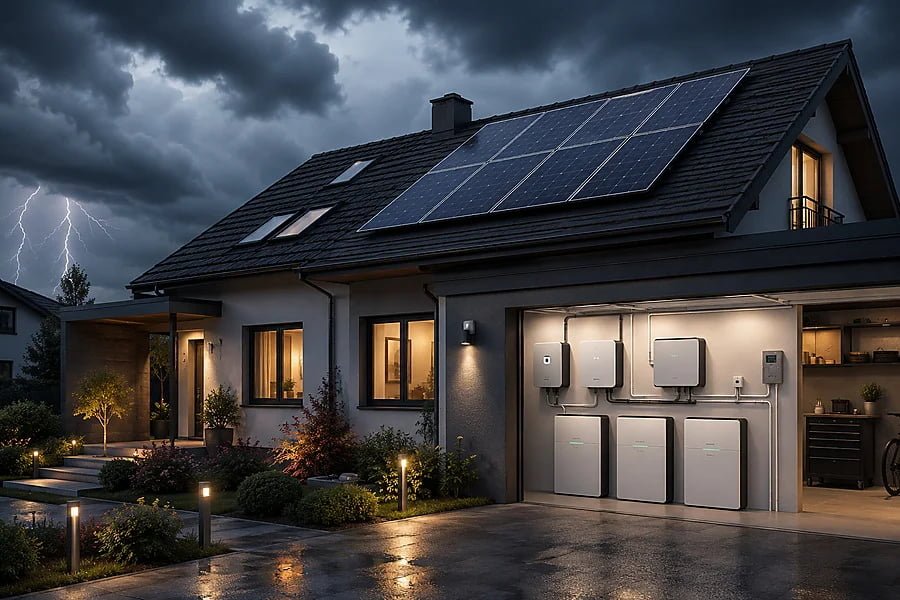
You can find BESS solutions in different sizes. Residential systems are usually small and hang on a wall. Commercial and Industrial (C&I) systems are often the size of a shipping container. They all work on the same basic principles but vary in capacity.
| Component | Main Responsibility | Practical Benefit |
|---|---|---|
| Battery Racks | Energy Density | Determines how long the power lasts |
| BMS | Safety and Balancing | Prevents cell damage and fire risks |
| Inverter (PCS) | Power Flow | Manages the speed of charging and discharging |
| EMS | Optimization | Saves money by avoiding peak utility rates |
What battery company is backed by Bill Gates?
You want to know which technologies are the future of energy storage. With so many new startups, it is hard to tell which ones have the financial support to succeed.
Bill Gates backs several battery companies through his investment fund, Breakthrough Energy Ventures. One of the most prominent is Form Energy, which is developing iron-air batteries. Other companies include Antora Energy and Ambri, which focus on long-duration storage for industrial and grid applications.
I find it very interesting that Bill Gates is focusing on "long-duration" storage. Most lithium batteries today are great for 4 to 10 hours of power. However, the grid needs solutions that can provide power for 100 hours or even a full week when the wind stops blowing. This is the gap that Gates-backed companies are trying to fill.
Comparing Emerging Tech to Current Standards
Form Energy is a great example of this shift. They use iron-air technology because iron is cheap and abundant. Their batteries use a process of "reversible rusting" to store and release energy. While this is exciting for the year 2030 and beyond, it is not yet a standard product for a local factory or home. Most of these projects are still in the pilot phase.
For most of the projects I manage today, we still use established technologies. It is good to watch what Gates is doing to see where the industry is going. But for immediate needs, the focus remains on reliability and safety.
Other Gates-Backed Innovations
Antora Energy is another company to watch. They store energy as heat in solid carbon blocks. This heat can be used for industrial processes or turned back into electricity. This shows that the term "BESS" is expanding beyond just chemicals and lithium.
- Form Energy: Iron-air batteries for 100-hour storage.
- Ambri: Liquid metal batteries for high-temperature grid storage.
- Antora Energy: Thermal energy storage using carbon blocks.
- Breakthrough Energy: A fund that supports zero-carbon technologies across many sectors.
What are the disadvantages of BESS?
You might be worried about the risks of installing a massive battery system. The high cost and the fear of fire can make anyone feel hesitant about moving forward.
The main disadvantages of BESS are high upfront capital costs, the risk of thermal runaway (fire), and battery degradation over time. Additionally, the mining of raw materials like lithium and cobalt raises environmental and ethical concerns that must be managed by the industry.
I believe it is important to be realistic about these challenges. A BESS is a significant investment. If you do not have a clear plan for how the system will pay for itself, the initial cost can be a major burden. However, as electricity prices go up, the "payback period" for these systems is getting shorter.
Understanding Safety and Thermal Runaway
The biggest fear most people have is fire. This is known as thermal runaway. If a battery cell is damaged or poorly managed, it can heat up and start a fire that is very hard to put out. This is why the quality of the BMS is so important. I always suggest looking for systems that have passed strict international safety certifications. Safety is not a place where you should try to save money.
Dealing with System Aging
Just like your phone battery, a large BESS loses capacity as it ages. Every time you charge and discharge the battery, it wears out a little bit. This is called "cycle life." If you use a battery that is not rated for heavy use, you might find that it only lasts 5 years instead of 15. You must choose a system that matches your specific duty cycle.
| Challenge | Impact on Business | Mitigation Strategy |
|---|---|---|
| High Capex | Strains the initial budget | Look for government subsidies or ROI modeling |
| Fire Risk | Safety and insurance issues | Use LFP chemistry and high-end BMS |
| Degradation | Reduced performance over time | Maintain proper temperature and avoid deep discharge |
| Recycling | Environmental footprint | Choose manufacturers with end-of-life programs |
What is the most common battery for a BESS?
You see many different types of batteries on the market and do not know which one is the safest. Picking the wrong chemistry can lead to short lifespans or safety hazards.
The most common battery for a BESS is Lithium Iron Phosphate (LiFePO4 or LFP). While Nickel Manganese Cobalt (NCM) is common in electric cars, LFP has become the standard for stationary storage because it is safer, cheaper, and lasts for more charge cycles.
When I first started in this industry, lead-acid batteries were the only real option. They were heavy, messy, and did not last long. The shift to lithium changed everything. Today, I almost exclusively recommend LFP batteries for residential and commercial systems. They provide the best balance of safety and cost-effectiveness.
Why LFP Wins in Stationary Storage
Safety is the main reason why LFP is the leader. LFP batteries are much more stable at high temperatures compared to NCM batteries. They are very difficult to ignite, even if they are punctured. Since a BESS is usually installed inside or near a building, this safety feature is the most important factor for my clients.
The second reason is the lifespan. A standard LFP battery can often handle 6,000 to 10,000 cycles. If you use the system once a day, that can be 20 years of service. NCM batteries usually only last for 1,000 to 2,000 cycles. For a long-term investment like a power station, the extra cycles make LFP much cheaper in the long run.
The Role of Other Chemistries
There are still other types of batteries used in specific cases. Flow batteries are used for very large grid projects because they do not degrade as easily. Lead-acid is still used in very cheap or simple backup systems. But for a modern, smart BESS, LFP is the clear winner.
- Safety: Higher thermal stability than NCM.
- Cycle Life: Lasts significantly longer than other lithium types.
- Environment: Does not contain cobalt, which is often mined in poor conditions.
- Efficiency: High round-trip efficiency means less energy is lost during storage.
My insights: BESS Is the Control Center for Storing and Using Electricity Smarter
Renewable energy is not always available when demand is highest. Without storage, businesses face wasted solar power, peak charges, grid instability, and outage risks.
BESS stands for Battery Energy Storage System. It stores electricity in rechargeable batteries and releases it when needed. A complete BESS includes battery modules, BMS, PCS/inverter, EMS, thermal management, and protection devices. It supports solar and wind integration, peak shaving, backup power, microgrids, and grid stability.
Why BESS Matters in Modern Energy Systems
BESS is not just a large battery. It is an integrated energy system that decides when to store power, when to discharge power, and how to operate safely. The battery stores energy as DC power, while the PCS or inverter converts it into usable AC power. The BMS protects the battery cells, and the EMS acts as the intelligence layer, coordinating solar generation, grid signals, loads, tariffs, and system limits.
Core Components of a BESS
| Component | Main Function | Why It Matters |
|---|---|---|
| Battery cells/modules | Store electrical energy | Determines capacity, cycle life, and performance |
| BMS | Monitors voltage, temperature, and battery safety | Prevents overcharge, overheating, and cell damage |
| PCS/Inverter | Converts DC and AC power | Enables connection with loads, solar, and the grid |
| EMS | Controls charging and discharging strategy | Optimizes cost savings, reliability, and grid response |
| Thermal & protection system | Manages heat, fire risk, and electrical safety | Supports safe, code-compliant operation |
Main Applications
BESS is used in homes, commercial buildings, factories, microgrids, and utility-scale projects. Its value depends on electricity tariffs, demand charges, cycling strategy, installation cost, and software optimization. In simple terms, BESS makes power more flexible: it stores electricity when it is cheap or abundant, then delivers it when demand is high, the grid is unstable, or renewable generation drops.
Conclusion
Understanding BESS is the first step toward energy independence. By focusing on safe chemistries like LFP and recognizing the components involved, you can make an informed decision for your project.
](https://voltcrave-battery.com/wp-content/uploads/2026/06/What-Is-a-Commercial-Energy-Storage-System-768x512.jpg)
](https://voltcrave-battery.com/wp-content/uploads/2026/06/What-are-the-Best-Solar-Batteries-for-Home-Backup-in-2026-768x512.jpg)
](https://voltcrave-battery.com/wp-content/uploads/2026/06/How-Much-Does-a-100kWh-Commercial-Battery-System-Really-Cost-in-2026-768x512.jpg)