

](https://voltcrave-battery.com/wp-content/uploads/2026/06/Does-Rechargeable-Battery-Last-Longer-and-Cost-effective.jpg)
High energy costs and frequent battery replacements drain your project budget. Choosing the wrong power source leads to constant downtime and high maintenance fees. I will help you understand why rechargeable systems are the better long-term investment.
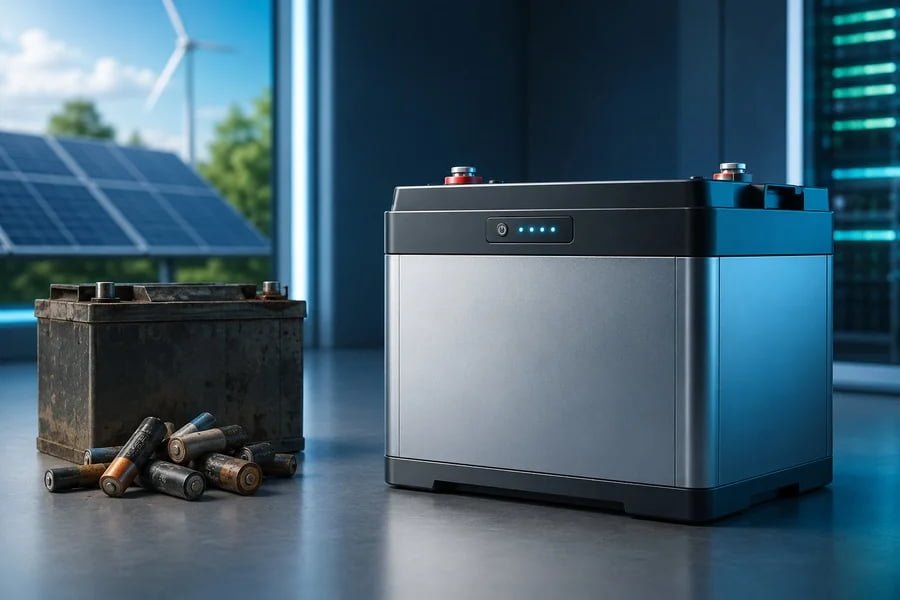
Yes, rechargeable batteries, especially Lithium Iron Phosphate (LiFePO4) types, last much longer and are more cost-effective. While the initial purchase price is higher, they provide thousands of cycles. Over ten years, the cost per cycle is significantly lower than using single-use batteries or older lead-acid technology.
I have worked in the energy storage industry for over a decade. I see many professionals make the mistake of looking only at the initial price tag. To help you avoid these expensive mistakes, I have broken down everything you need to know about battery longevity and value.
What is the downside of rechargeable batteries?
Buying the wrong battery system can lead to unexpected failures and safety risks. These hidden downsides can hurt your business reputation and project reliability. You need to know what challenges to expect before you invest.
The main downsides include a higher upfront cost, potential capacity loss over time, and high sensitivity to extreme temperatures. They also require a Battery Management System (BMS) to stay safe. Without proper care and the right electronics, these batteries can fail prematurely or perform poorly in harsh environments.
The Initial Investment Barrier
When I talk to procurement managers, the first thing they notice is the price. A rechargeable lithium system costs much more than lead-acid or alkaline batteries at the start. This is because the raw materials like lithium and nickel are expensive to mine. The manufacturing process is also very technical. You are paying for technology that lasts years, but that large initial payment can be hard for some budgets to handle.
Environmental Sensitivity
Rechargeable batteries are very sensitive to their surroundings. If it is too hot, the chemicals inside break down too fast. If it is too cold, the battery cannot move energy efficiently. This means you often need to spend extra money on cooling systems or insulated containers. If you ignore the environment, the battery life will drop quickly.
Comparison of Battery Types
| Feature | LiFePO4 (Rechargeable) | Lead-Acid (Rechargeable) | Alkaline (Single-Use) |
|---|---|---|---|
| Upfront Cost | High | Medium | Low |
| Cycle Life | 3,000 - 6,000 | 300 - 500 | 1 |
| Weight | Light | Very Heavy | Light |
| Efficiency | 95% | 70% | N/A |
| Maintenance | Low | High | None |
Technical Complexity
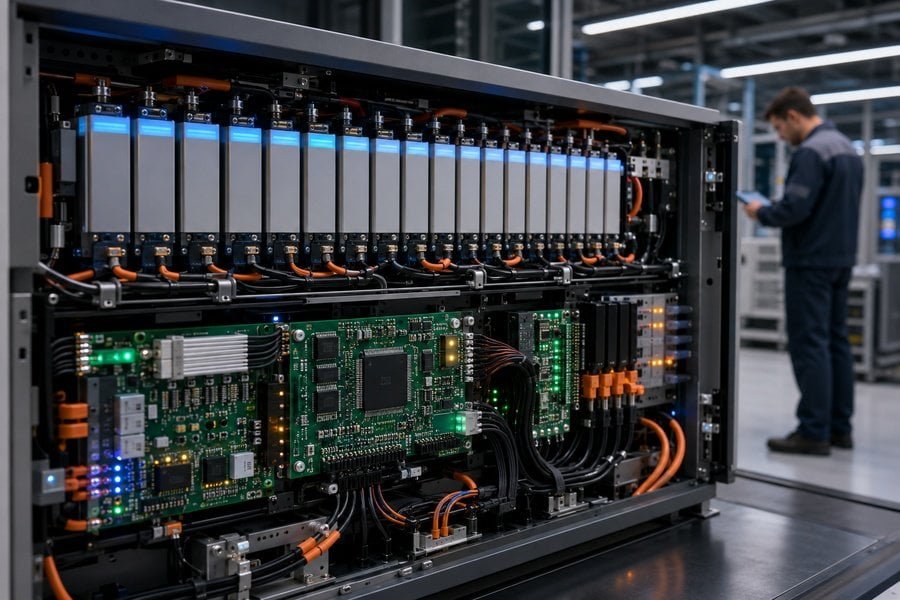
You cannot just connect a high-capacity rechargeable battery and walk away. It needs a "brain" or a BMS. This system monitors voltage and temperature. If the BMS fails or is of poor quality, the whole battery pack can become dangerous. This adds a layer of complexity to the installation that single-use batteries do not have. You need technical knowledge to set these up correctly.
What is the 80/20 rule for charging batteries?
Fast degradation ruins your return on investment very quickly. Replacing batteries before they reach their expected life is a huge financial burden. This simple charging rule is the best way to double your battery's lifespan with almost no effort.
The 80/20 rule means you should keep your battery charge between 20% and 80%. Avoiding a full 100% charge and preventing a drop below 20% reduces chemical stress on the cells. This practice can significantly extend the number of cycles a lithium battery can provide over its life.
The Science of Battery Stress
I like to compare a battery to a balloon. If you blow a balloon up to its absolute limit, the material stays stretched and weak. If you suck all the air out until it is flat, it gets wrinkled. Lithium batteries are similar. When they stay at 100% charge, the high voltage puts pressure on the internal structure. When they drop to 0%, the copper parts can actually start to dissolve. Staying in the middle "sweet spot" keeps the battery healthy.
Financial Benefits of the Rule
If you follow the 80/20 rule, you are protecting your money. A battery rated for 2,000 cycles might give you 4,000 cycles if you use this method. This means you do not have to buy a replacement system for ten years instead of five. For a large solar project or a warehouse, this saves thousands of dollars in equipment and labor costs.
How to Apply the 80/20 Rule
- Adjust Inverter Settings: Most modern inverters let you set a "stop" point for charging.
- Monitor Discharge: Set an alarm or automatic shut-off when the battery hits 20%.
- Avoid Trickle Charging: Do not leave batteries plugged in at 100% for many days.
- Use Smart Software: Many systems now have a "Long Life Mode" that does this for you automatically.
Impact on Cycle Life
| Charging Range | Cycle Life (Estimated) | Benefit |
|---|---|---|
| 0% to 100% | 2,500 Cycles | Maximum daily capacity |
| 10% to 90% | 3,500 Cycles | Good balance |
| 20% to 80% | 5,000+ Cycles | Maximum longevity |
What rechargeable battery could last 400 years?
Frequent battery changes are annoying and very expensive for any business. You probably want a power source that you can "set and forget" forever. While it sounds impossible, new research is showing that we might be closer than we think.
Currently, no commercial battery lasts 400 years. However, researchers at the University of California, Irvine, created a gold nanowire battery that survived 200,000 charge cycles. If you charged this battery once every day, it would technically last for over 500 years without losing any storage capacity.
The Nanowire Discovery
This technology was discovered almost by accident. Scientists were looking for ways to make nanowires stronger. Nanowires are thousands of times thinner than a human hair. They usually break after a few thousand cycles because they are fragile. But when these wires were coated in a special manganese dioxide shell and a gel electrolyte, they became very tough. In the lab, they cycled the battery for three months straight and it did not wear out at all.
Why It Is Not in Your Home Yet
I often get asked when this technology will be available for purchase. The main problem is the cost. Using gold and specialized gel is extremely expensive. It works in a small lab, but making a giant battery for a house or a factory is not yet possible for a reasonable price. For now, we use LiFePO4 because it is the most durable option that people can actually afford today. It gives us about 15 to 20 years of life, which is still a huge improvement over older tech.
Comparing Long-Life Technologies
| Technology | Lifespan (Cycles) | Current Use |
|---|---|---|
| Gold Nanowire | 200,000+ | Laboratory Research |
| LiFePO4 | 6,000 | Home & Industrial Storage |
| Solid State | 10,000 | High-end EV Development |
| Standard Lithium-Ion | 1,000 | Laptops and Phones |
Looking Toward the Future
Even if the 400-year battery is decades away, the research helps us improve the batteries we have now. We are learning how to use better coatings and electrolytes to make our current systems last longer. For a procurement manager, the goal is to buy the best available technology now while keeping an eye on these future breakthroughs.
What kills a rechargeable battery?
One simple mistake can destroy a very expensive energy storage system. You might be shortening your battery's life without even knowing it. To protect your investment, you must understand the primary causes of battery death.
Heat is the biggest killer of rechargeable batteries because it causes the internal chemicals to break down permanently. Other major factors include deep discharging, using the wrong charger, and physical damage from vibration. Proper maintenance and high-quality manufacturing are the only ways to prevent these issues.
Heat: The Primary Enemy
I have seen many batteries fail because they were installed in a room with no airflow. When a battery charges or discharges, it creates heat. If that heat cannot escape, the temperature inside the cell rises too high. This causes the "separator" to degrade and can even lead to a fire. Keeping your batteries in a cool, dry place is the single most important thing you can do.
The Danger of Zero Percent
Many people think it is good to "empty" a battery before charging it. This is a mistake for lithium systems. If the voltage drops too low, a chemical reaction happens that cannot be reversed. The battery will lose its ability to hold a charge forever. If you store a battery at 0% for a long time, it might never turn on again. I always suggest keeping at least a 40% charge if you are not going to use the battery for a few months.
Quality and Manufacturing
Poor manufacturing is a silent killer. If there are tiny bits of metal or dust inside the cell from the factory, it will eventually cause a short circuit. Also, a cheap BMS might not balance the cells correctly. This means one cell might get overcharged while another stays empty. This imbalance kills the whole pack very quickly. This is why choosing batteries with proper certifications like CE or UL is so important for long-term safety.
Common Battery Killers and Solutions
- Overcharging: Using a cheap charger that does not stop at the right voltage.
- Deep Discharge: Letting the battery stay at 0% for more than a few days.
- Vibration: Shaking the battery during transport can break internal connections.
- Moisture: Water causes rust on the terminals and shorts out the electronics.
- High Current: Trying to pull too much power too fast creates internal "hot spots."
My insights: Are Rechargeable Batteries Actually Worth the Switch?
Constantly replacing dead batteries is expensive and environmentally wasteful. Stop burning money on disposables that clog landfills. Choosing rechargeables offers a sustainable, high-performance solution that slashes long-term costs for your electronics.
Yes, rechargeable batteries are significantly more cost-effective over time, especially in high-drain devices, because one unit replaces hundreds of disposables. While alkaline batteries often offer longer initial runtimes and better shelf life for low-drain emergency tools, rechargeables provide superior long-term financial value and environmental benefits for daily-use electronics.
Decoding the Value: Usage Frequency vs. Energy Density
To determine if rechargeables are right for you, you must distinguish between cycle life and shelf life. Rechargeable batteries (typically NiMH) thrive in "high-drain" environments where they are depleted and recharged frequently. Conversely, disposable alkaline batteries are often better for "low-drain" devices due to their steady 1.5V output and minimal self-discharge.
Performance Trade-offs and Voltage
While a single NiMH charge might provide slightly less runtime than a premium alkaline battery in a low-power device, its ability to endure 500+ charge cycles makes the "cost per hour" almost negligible. However, some sensitive legacy electronics require the higher 1.5V of disposables, as rechargeables sit at 1.2V, which some devices may interpret as a "low battery."
Strategic Usage Guide
| Device Type | Recommended Battery | Key Reason |
|---|---|---|
| Game Controllers / Toys | Rechargeable | High usage frequency; fast return on investment. |
| Smoke Detectors / Remotes | Disposable | Ultra-low drain; requires multi-year reliability. |
| Digital Cameras / Flash | Rechargeable | Heavy power demand; frequent cycles. |
| Emergency Flashlights | Disposable (Lithium) | Zero self-discharge; stays ready for years of storage. |
The electricity cost to recharge is nearly zero, meaning your only real hurdle is the upfront price of the batteries and a quality charger. If you use a device more than once a month, rechargeables are the clear winner.
Conclusion
Rechargeable batteries are the most cost-effective choice when managed correctly. By avoiding heat, using the 80/20 rule, and choosing high-quality technology, you can ensure a reliable power supply for many years.
](https://voltcrave-battery.com/wp-content/uploads/2026/06/What-Is-a-Battery-Management-System-BMS-768x512.jpg)
](https://voltcrave-battery.com/wp-content/uploads/2026/06/Why-Battery-Management-System-BMS-Matters-in-Battery-Energy-Storage-System-768x512.jpg)
](https://voltcrave-battery.com/wp-content/uploads/2026/06/The-Real-Cost-of-Commercial-Battery-Energy-Storage-in-2026-What-You-Need-to-Know-768x512.jpg)