

](https://voltcrave-battery.com/wp-content/uploads/2026/06/Energy-Storage-in-Telecom-Base-Stations-Innovations-Trends.jpg)
Telecom sites face constant power outages and rising electricity costs. Frequent downtime hurts your service quality and damages your professional reputation. Modern energy storage provides a reliable, cost-effective way to keep networks running 24/7.
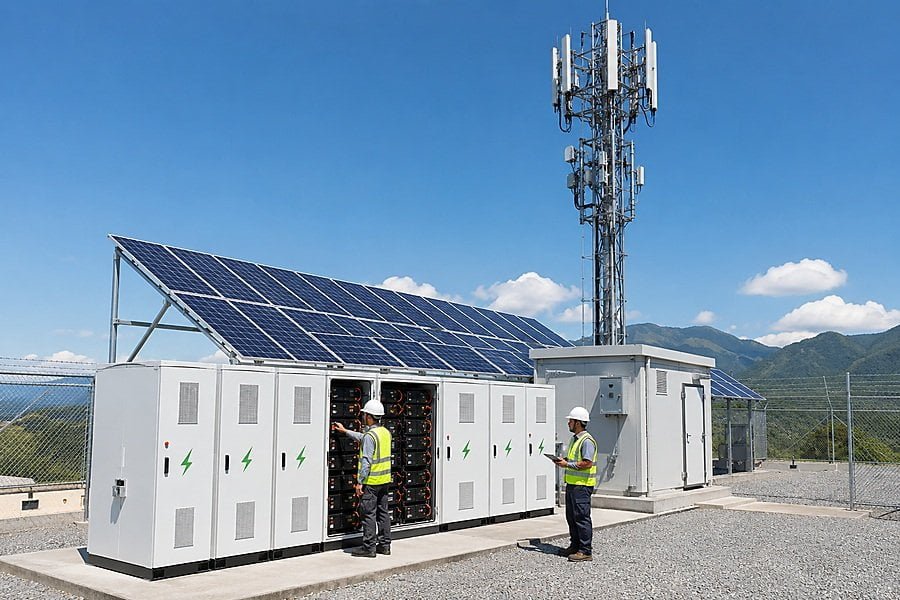
Telecom stations use Battery Energy Storage Systems (BESS) to ensure uptime during grid failures. These systems use LiFePO4 batteries to store solar energy or cheap grid power. This reduces reliance on diesel generators, lowers operational costs, and supports the high power demands of 5G infrastructure.
Choosing the right power setup is hard because technology changes so fast. If you ignore these shifts, your network costs will keep rising every year. Stay with me to see how these trends affect your business and your bottom line.
What are the latest trends in the telecom industry?
5G networks require much more power than older 4G systems. Old power setups are failing under this heavy load and high heat. You need new strategies to manage energy without breaking your operational budget.
The main trends include shifting from lead-acid to lithium batteries and integrating solar power at remote sites. Operators also use smart monitoring to track battery health. These changes help create "green" sites that lower carbon footprints and reduce the high cost of diesel fuel.
The Impact of 5G on Energy Demand
I have noticed that 5G rollout is the biggest driver for change right now. A 5G base station consumes up to three times more power than a 4G station. This creates a massive problem for site owners. The old lead-acid batteries are too big and heavy to provide the extra capacity needed in small cabinets. Most operators are now switching to high-density lithium packs. These packs fit into the same space but offer much more energy. It is a simple way to upgrade without building new physical structures.
Hybrid Power Systems
Another major trend is the move toward hybrid power. In many areas, the power grid is either unstable or non-existent. I see more companies installing solar panels alongside their battery systems. This setup allows the station to run on sun power during the day. The battery stores the extra energy for use at night. This reduces the need for diesel generators. Diesel is expensive to buy and even more expensive to transport to remote mountain or desert sites.
Smart Remote Management
Software is also playing a huge role. In the past, you had to send a technician to a site just to check if the batteries were still good. Now, we use cloud-based monitoring. I can check the voltage, temperature, and health of a battery from a laptop anywhere in the world. This helps prevent outages before they happen.
| Trend | Benefit for Telecom Operators |
|---|---|
| Lithium Migration | Higher energy density and 10-year lifespan. |
| Solar Integration | Cuts fuel costs by up to 80% in remote areas. |
| AI Monitoring | Reduces site visits and prevents sudden downtime. |
| Modular Design | Allows for quick capacity upgrades as traffic grows. |
Why are people against BESS?
Safety worries and high upfront costs make many procurement managers hesitate. One bad battery fire can cause massive damage to expensive equipment. Understanding these fears helps you choose safer and more reliable equipment for your projects.
Many oppose BESS due to fire safety concerns, high initial investment, and system complexity. There are also worries about how long these batteries will actually last in harsh outdoor environments before they need expensive replacements or specialized technical support.
The Reality of Fire Safety
I hear a lot of people worry about lithium batteries catching fire. This is a valid concern if you use the wrong chemistry. Many early systems used NCM (Nickel Cobalt Manganese), which can be unstable if it gets too hot. However, the industry is moving toward LiFePO4 (Lithium Iron Phosphate). This chemistry is much safer and does not catch fire easily even if it is damaged. When I talk to site managers, I always emphasize checking for safety certifications like UL and CE. These certificates prove the system has been tested under extreme conditions.
Balancing Cost and Long-term Value
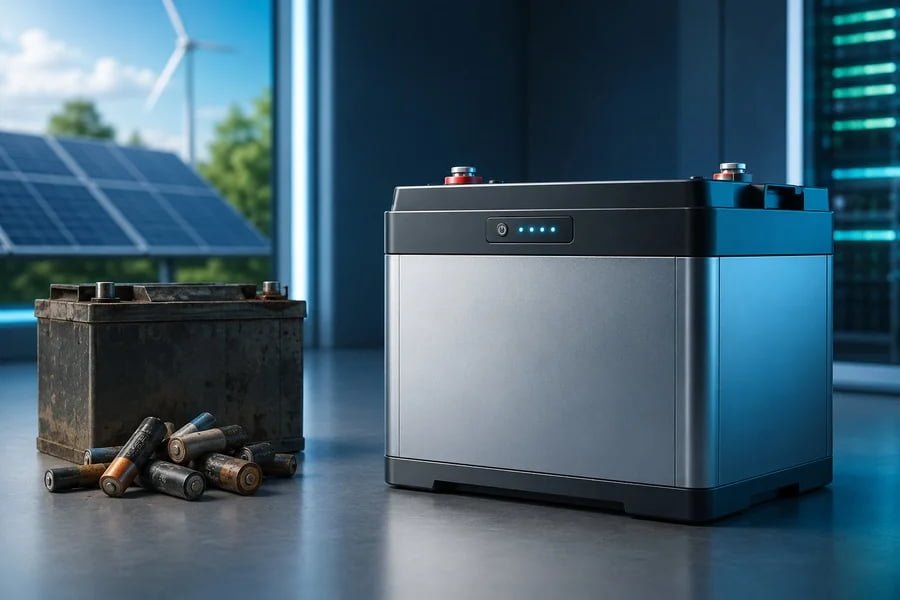
The price of a lithium BESS is definitely higher than old lead-acid batteries at the start. This makes some companies say no immediately. But I like to look at the "Total Cost of Ownership." A lead-acid battery might last two years in a hot climate. A good lithium system can last ten years or more. If you factor in the cost of buying new batteries five times and the labor to install them, lithium is actually much cheaper over time.
Complexity and Compatibility
Some engineers are against BESS because they fear it won't work with their existing inverters or power controllers. This was a problem in the past. Today, most systems are designed to be "plug and play." They use standard communication protocols to talk to other equipment. If you choose a system with a smart BMS, the integration is usually very smooth.
| Common Concern | Fact-Based Response |
|---|---|
| Fire Hazard | LiFePO4 chemistry is thermally stable and very safe. |
| High Price | Initial cost is higher, but lifetime cost is 40% lower. |
| Short Life | Modern cells last over 6,000 cycles (10+ years). |
| Maintenance | Lithium batteries require almost zero maintenance. |
What are the latest advancements in energy storage?
Traditional batteries die quickly in high heat and charge very slowly. This leads to frequent site visits and high maintenance bills for your company. New storage technology solves these environmental and efficiency problems to keep your sites running.
Recent advancements include high-cycle LiFePO4 cells, modular designs, and smart Battery Management Systems (BMS). These allow for faster charging, lifespans exceeding 10 years, and reliable performance in extreme temperatures ranging from -20°C to 60°C, which is ideal for outdoor telecom towers.
Advanced Cell Chemistry
I have seen huge improvements in the way battery cells are made. We now have cells that can handle "fast charging" without getting damaged. In areas where the power only comes on for a few hours a day, this is a lifesaver. The battery can suck up enough energy in two hours to keep the tower running for the next twelve. This was impossible with older technology.
Modularity and Scalability
Modern BESS are now built like building blocks. In the past, if you needed more power, you had to replace the whole system. Now, you can just add another battery module to the rack. This modularity makes installation much easier. I have seen small teams install a full 50kWh system in just a couple of hours. It also means if one module fails, the rest of the system keeps working while you swap out the bad part.
Environmental Resilience
Telecom towers are often in the worst places—salty coasts, hot deserts, or freezing mountains. New advancements in cabinet design and thermal management keep the batteries at the perfect temperature. Some systems now use special insulation or small, efficient cooling units. This protects the cells and ensures they don't lose capacity because of the weather.
| Technology | Impact on Performance |
|---|---|
| Smart BMS | Balances cells automatically to extend life. |
| Fast Charge | Reaches 80% capacity in under 2 hours. |
| Wide Temp Range | Works in both freezing and tropical climates. |
| Compact Size | Saves 60% of floor space compared to lead-acid. |
What is the holy grail of lithium batteries?
Operators dream of a battery that is small, light, and totally safe. Current technology still has some limits in weight and energy density for certain applications. Finding this "holy grail" will change how networks are deployed in the future.
The "holy grail" of energy storage is the solid-state battery. It promises much higher energy density and almost zero fire risk by replacing liquid electrolytes with solid materials. For now, high-grade LiFePO4 is the best available solution for its safety and durability.
The Promise of Solid-State
I am following the development of solid-state batteries very closely. The big difference is that they don't have liquid inside. Liquid electrolytes can leak or catch fire. Solid materials do not. This would allow us to pack even more energy into a tiny box. Imagine a backup battery that is the size of a shoebox but can power a whole tower for a day. We are not there yet for mass production, but that is the direction the industry is moving.
Why LiFePO4 is the Current Winner
Even though solid-state is the future dream, LiFePO4 is the "holy grail" for today's market. It is the only chemistry that balances price, safety, and life perfectly. When I talk to site owners, they don't want an experimental battery; they want something that works every time they flip the switch. LiFePO4 has proven it can handle thousands of cycles and still keep going.
Efficiency and Recycling
Another part of the "holy grail" is sustainability. People want batteries that are easy to recycle at the end of their life. Newer manufacturing methods are making it easier to take batteries apart and reuse the metals. This is important for big companies that have to meet strict environmental rules. A battery that is clean to make and clean to throw away is the ultimate goal for the energy sector.
Characteristics of the Ideal Battery
- Safety: No possibility of fire or explosion.
- Weight: Light enough for one person to carry and install.
- Life: Lasts as long as the telecom equipment itself (15-20 years).
- Speed: Charges as fast as a mobile phone.
- Cost: Cheap enough to replace diesel fuel in every country.
My insights: From Passive Backup to Intelligent Strategic Asset
Power instability and rising diesel costs jeopardize 5G reliability. Frequent outages damage reputations and budgets. Advanced lithium-ion storage provides an intelligent, sustainable solution for resilient, cost-effective telecom infrastructure.
Telecom energy storage is evolving from lead-acid backup to intelligent LiFePO4 systems integrated with AI and renewables. Innovations like second-life EV batteries, smart BMS, and modular designs enable operators to reduce diesel dependence, participate in grid services, and lower carbon footprints while supporting the high energy demands of 5G.
The Strategic Evolution: Intelligence, Sustainability, and Grid Integration
The transition to 5G necessitates high-density, fast-charging solutions that traditional lead-acid batteries cannot provide. By adopting LiFePO4 and emerging Sodium-ion technologies, operators are not just securing power; they are building a flexible energy architecture. The real value lies in AI-driven BMS, which allows base stations to act as "Virtual Power Plants" (VPPs). This enables peak shaving and frequency regulation, turning energy storage from a cost center into a revenue-generating tool. Furthermore, the use of second-life EV batteries addresses both economic constraints and circular economy goals, providing a 30-50% cost reduction for non-critical sites. This holistic approach ensures network resilience while meeting aggressive global decarbonization targets.
| Feature | Traditional (Lead-Acid) | Modern (Smart LiFePO4) |
|---|---|---|
| Lifespan | 3–5 Years | 10–15 Years |
| Intelligence | Passive/Reactive | Predictive/AI-Optimized |
| Energy Density | Low (Heavy/Bulky) | High (Modular/Scalable) |
| Primary Role | Emergency Backup | Strategic Asset/Grid Participant |
| Sustainability | High Environmental Impact | Low Carbon/Second-life Ready |
Redefining Operational Efficiency through IoT
Modern deployments utilize Field Supervision Units (FSUs) and IoT monitoring to shift from reactive to preventive maintenance. By analyzing real-time health data, operators can extend battery life by up to 20% and avoid the massive costs associated with unexpected site visits in remote areas. This technical maturity is transforming telecom infrastructure into a cornerstone of the green energy transition.
Conclusion
Energy storage is the most important part of a modern telecom network. By understanding these trends and choosing safe, modular lithium systems, you can lower your costs and keep your customers connected.
](https://voltcrave-battery.com/wp-content/uploads/2026/06/Does-Rechargeable-Battery-Last-Longer-and-Cost-effective-768x512.jpg)
](https://voltcrave-battery.com/wp-content/uploads/2026/06/What-is-BESS-A-Comprehensive-Overview-of-Battery-Energy-Storage-Systems-768x512.jpg)
](https://voltcrave-battery.com/wp-content/uploads/2026/06/A-Complete-Guide-to-the-Lifespan-of-Lithium-Ion-Solar-Batteries-768x512.jpg)